
15 Tools and Equipment Needed for Common AC DIY Fixes

Share

Table of Contents
When your air conditioner stops working properly, it doesn’t always mean you need to call a technician right away. Many common AC issues can be handled with a few basic tools and a bit of know-how. Whether you’re dealing with clogged filters, minor leaks, or thermostat issues, having the right equipment can make home repairs safer and more efficient.
This guide covers the essential tools and safety equipment you’ll need for common air conditioner fixes in a Philippine home setting.
What Tools Do You Need for Basic AC Repairs?
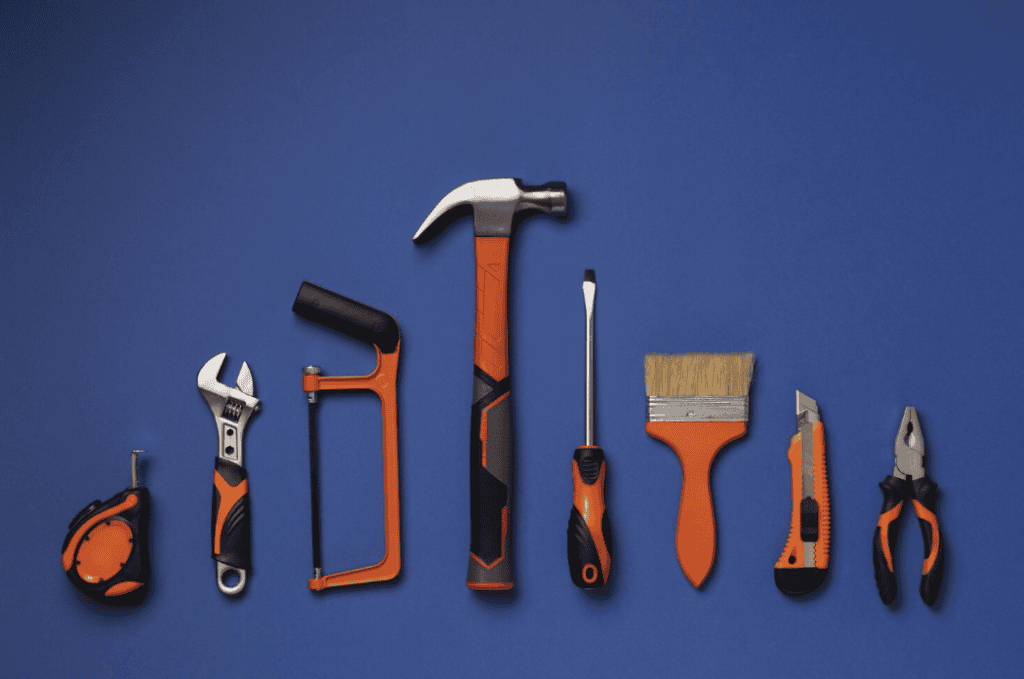
The right tools help you work efficiently, reduce the risk of damaging your unit, and ensure your fixes last longer. Here are the core items you should have on hand.
Screwdrivers (Flathead and Philips)
Most AC units require screwdriver access to clean filters, tighten panels, or remove covers. A set with various sizes is ideal.
Adjustable Wrench or Spanner
Used for tightening loose nuts or bolts, especially around the AC’s outdoor condenser or refrigerant lines.
Pliers (Needle-Nose and Slip-Joint)
Handy for gripping, bending wires, and loosening hard-to-reach components inside your AC unit.
Multimeter
This electronic measuring tool helps you check voltage, continuity, and current, allowing you to troubleshoot electrical issues like capacitor failure or faulty thermostats.
Digital Thermometer
Accurate temperature readings help determine whether your AC is cooling properly or if airflow is compromised.
Equipment for Cleaning and Maintenance
Regular cleaning is essential for performance and energy efficiency, especially in the Philippines, where dust and humidity can quickly affect AC units.
Soft Brush or Handheld Dust Blower
Used to remove dust and debris from filters, vents, and evaporator coils. A brush with soft bristles prevents damage to delicate components.
Wet and Dry Vacuum Cleaner
Helpful for cleaning up dirt, sludge, or excess water in drain pans and ducts. Choose a model that can handle both dry particles and moisture.
Coil Cleaner Spray
Formulated specifically for cleaning evaporator and condenser coils. Choose a non-acidic, no-rinse formula that’s safe for home use.
Fin Comb
Straightens bent aluminum fins on the condenser and evaporator coils, improving airflow and overall performance.
Electrical and Wiring Safety Tools

DIY fixes often involve checking electrical connections, so safety is key.
Insulated Gloves
These protect you from accidental electric shocks while handling wires or testing live circuits.
Electrical Tape
Essential for securing and insulating exposed wires during basic rewiring or reconnections.
Wire Strippers and Cutters
If a wire needs to be repaired or replaced, these tools help strip insulation and cut cleanly without damaging conductors.
Optional But Helpful Tools
These are not must-haves for all fixes, but they can make your work more effective.
Rechargeable Work Light
Makes it easier to inspect tight or dimly lit areas, especially if you’re working at night or during a power interruption.
Extension Cord or Power Strip
Helpful when using electric tools or chargers far from a power outlet.
Portable Ladder
If your AC unit is mounted high on a wall, a sturdy ladder ensures safe access.
Safety First, Repairs Second
While DIY AC fixes can save time and money, they’re only advisable for minor, non-refrigerant issues. If you encounter a gas leak, compressor failure, or persistent electrical faults, it’s safer and more cost-effective to call a licensed technician. The goal is to maintain your AC without compromising safety or causing further damage.
Frequently Asked Questions
Can I fix my AC without special tools?
Some cleaning tasks, like washing filters or brushing vents, can be done with basic household items. But for anything involving wires, refrigerant lines, or sealed parts, it’s safer to use proper tools—or call a technician.
Do I need a gauge manifold set to fix AC problems?
Not for basic maintenance, but a manifold gauge set is useful if you’re dealing with refrigerant issues. However, refrigerant handling in the Philippines may require certification, so DIYers should be cautious.
Where can I buy AC repair tools in the Philippines?
You can find these tools at local hardware stores like Handyman, Ace Hardware, or True Value. Online platforms like Lazada and Shopee also carry complete AC tool kits and coil cleaners.
Is it safe to use electrical tools during rainy days?
No. Avoid working on outdoor AC units or exposed electrical parts when it’s raining to prevent the risk of electrocution or equipment damage.
