
Cost Savings with Energy-Efficient Air Conditioners: A Deep Dive

Share

Table of Contents
Air conditioners are a staple in many Filipino homes, offices, and commercial spaces. With the country’s hot and humid climate, cooling systems often run from morning until late at night. The downside? Electricity bills can skyrocket, especially during the peak summer months.
Energy-efficient air conditioners offer a smart alternative. They provide the same level of comfort while helping households and businesses keep energy costs under control. This deep dive explores how the right AC unit can deliver real savings and long-term value.
Why Energy Efficiency Matters In The Philippines
Electricity rates in the Philippines are among the highest in Southeast Asia. That means every watt counts.
Traditional ACs consume a lot more power because they operate in fixed cycles: turning on at full blast, shutting off completely, and repeatedly restarting.
Energy-efficient models are designed to avoid these energy spikes and use only the power needed to maintain a stable indoor temperature.
How Energy-Efficient AC Units Reduce Electricity Bills
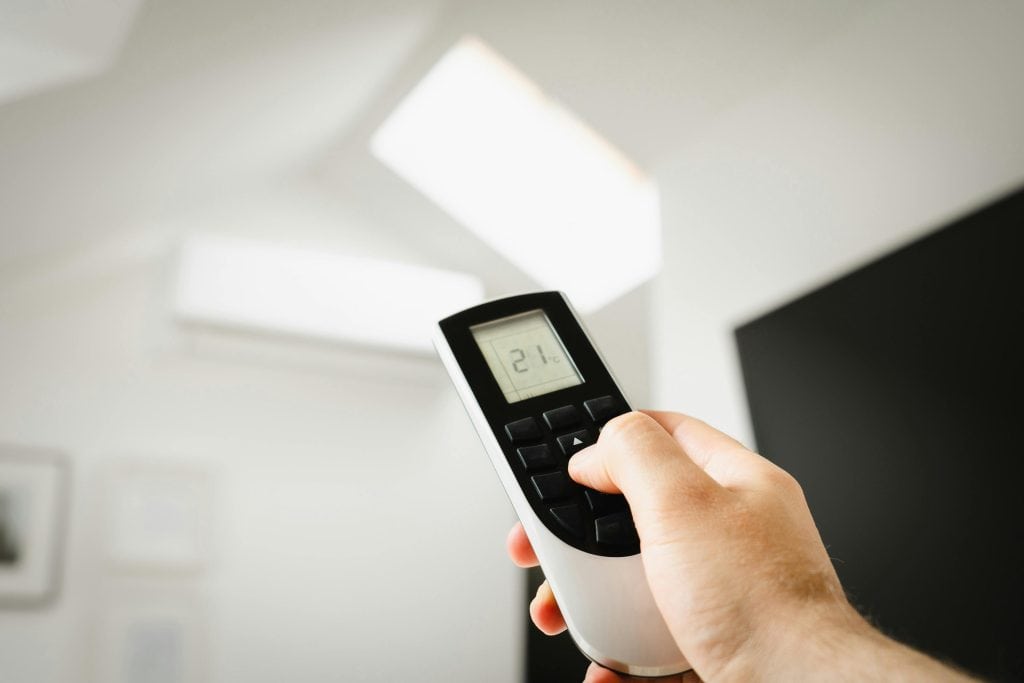
Energy-efficient air conditioners rely on technology that optimizes power consumption.
Key features include:
- Inverter compressors that adjust speed rather than turning on and off
- Higher Energy Efficiency Ratio (EER) or SEER ratings
- Low-global-warming refrigerants
- Advanced thermostats and sensors for temperature control
These features allow ACs to run smoothly at partial capacity instead of constantly ramping up, reducing total electricity draw.
Real Cost Savings You Can Expect
Switching to an energy-efficient AC may lower monthly bills by 20 to 50 percent, depending on usage, room size, and model type.
For Filipino households running air conditioning nightly, that reduction can translate into thousands of pesos saved per year. Commercial offices and small businesses stand to save even more due to daily, long-hour use.
Upfront Cost Vs Long-Term Value
Energy-efficient AC units typically cost more upfront. However, the added price is offset over time through lower operational costs.
Think of it this way:
- Standard AC units are cheaper to purchase but cost more to run
- Energy-efficient models cost a bit more at first but save money every month
Many Filipino households recover the price difference within 1 to 3 years, depending on usage.
Other Financial Benefits Beyond Electricity
Energy-efficient ACs offer hidden savings:
- Less mechanical strain, leading to fewer repairs
- Longer system lifespan
- Increased property value for homes and rental units
- Compatibility with solar-powered homes (growing in PH neighborhoods)
Lower energy demand also helps power grids run more reliably during hot months, when brownouts or rotating outages are more common.
Tips To Maximize Energy Savings At Home
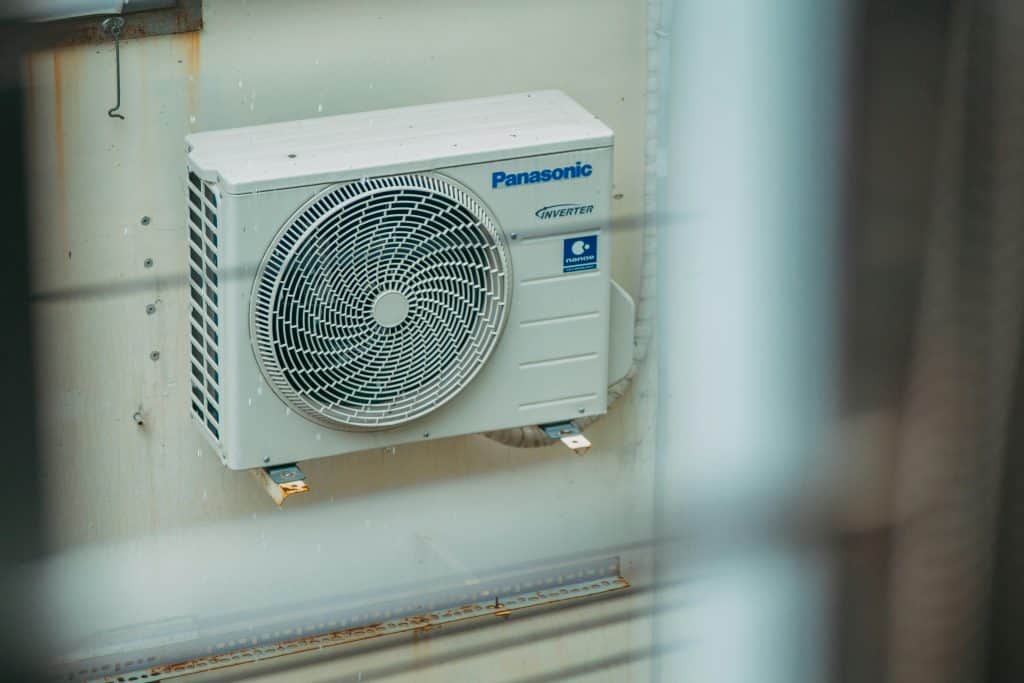
Choosing an energy-efficient AC is only part of the solution. Daily habits also matter.
Homeowners can reduce energy waste by:
- Sealing windows and doors
- Running ACs on steady, comfortable settings (24 to 25°C works well)
- Cleaning filters every two weeks
- Scheduling yearly maintenance
- Using fans to circulate cool air
- Installing curtains or blinds to reduce heat gain
Every small improvement helps an AC work more efficiently — boosting monthly savings.
Who Benefits The Most From Energy-Efficient ACs?
Energy-efficient AC units are ideal for:
- Households using air conditioning for several hours a day
- Condominiums where cooling runs nearly nonstop
- Offices and clinics with long daily schedules
- Retail shops that need stable cooling for customers
- Schools or co-working spaces with large daily foot traffic
If the unit runs often, the return on investment becomes much faster.
Smart Cooling For A Hotter Future
With temperatures rising and energy prices remaining high, many Filipinos are rethinking how they cool their homes and businesses. Energy-efficient air conditioners offer a practical path toward comfort, savings, and sustainability.
The upfront cost may feel heavy at first, but the long-term payoff — lower bills, fewer repairs, and a more comfortable space — makes the upgrade worthwhile.
