
The Role of AI and Smart Tech in Advancing Green AC Systems

Share

Table of Contents
Air conditioning is essential for comfort, especially in warmer climates, but it also accounts for a significant portion of global energy consumption. As sustainability becomes a priority for homeowners and businesses alike, green air conditioning systems are evolving rapidly — and much of that progress is powered by artificial intelligence (AI) and smart technology.
Today’s modern HVAC solutions are no longer just about cooling a space. They are designed to reduce energy use, improve efficiency, and support environmentally friendly practices. This article explores how AI and smart technology are transforming green AC systems and why these innovations are shaping the future of sustainable cooling.
What Are Green AC Systems?
Green AC systems are air conditioning solutions engineered to minimize environmental impact while maintaining efficient performance. They focus on reducing energy consumption, lowering carbon emissions, and using eco-friendly refrigerants.
Key features often include:
- Energy-efficient compressors
- Smart thermostats and automation
- Eco-friendly refrigerants
- Variable speed technology
- Advanced airflow management
The goal is simple: provide comfort while consuming less energy and supporting long-term sustainability.
How AI Is Transforming Air Conditioning

Artificial intelligence is bringing a major upgrade to how cooling systems operate. Instead of running on fixed schedules or manual settings, AI-powered AC systems analyze data and adjust performance automatically.
Predictive Cooling for Better Efficiency
AI can analyze patterns such as:
- Room occupancy
- Outdoor temperature
- Humidity levels
- Historical usage habits
Based on this data, systems predict when cooling is needed and reduce unnecessary operation. This prevents energy waste and improves overall efficiency.
For example, an AI system may lower cooling output when a room is empty or adjust temperatures gradually before occupants arrive, balancing comfort and energy savings.
Adaptive Learning for Personalized Comfort
Smart AC units learn user preferences over time. Instead of repeatedly adjusting settings, the system adapts automatically.
Benefits include:
- Reduced manual control
- Consistent indoor comfort
- Lower energy bills
- Optimized cooling cycles
By learning behavior patterns, AI helps avoid excessive cooling, one of the biggest contributors to wasted energy.
Smart Sensors and Real-Time Monitoring
Smart technology relies heavily on sensors that gather real-time environmental data. These sensors help green AC systems operate more intelligently.
Temperature and Humidity Control
Traditional systems often rely on single temperature readings. Smart systems use multiple sensors to monitor:
- Indoor temperature variations
- Humidity levels
- Air quality
- Occupancy patterns
This allows the AC to cool specific zones only when needed, reducing unnecessary energy use.
Detecting Maintenance Issues Early
AI-driven diagnostics can identify problems before they become expensive repairs.
Examples include:
- Reduced airflow detection
- Refrigerant inefficiencies
- Filter blockages
- Compressor performance issues
Early detection not only extends equipment lifespan but also keeps systems running efficiently, which reduces environmental impact.
Smart Thermostats and Automation
Smart thermostats are one of the most accessible forms of green technology in HVAC systems.
Automated Scheduling
Instead of running all day, smart thermostats create schedules based on actual usage patterns.
Advantages include:
- Reduced energy consumption during inactive hours
- Improved temperature stability
- Lower operational costs
Users can also control systems remotely via mobile apps, ensuring energy isn’t wasted when spaces are unoccupied.
Integration With Smart Homes
Modern green AC systems often integrate with smart home ecosystems.
This enables features like:
- Voice control
- Automation routines
- Energy usage tracking
- Coordination with blinds and lighting
For example, a system can lower cooling demand when smart blinds reduce sunlight exposure, further improving efficiency.
AI Optimization for Energy Efficiency
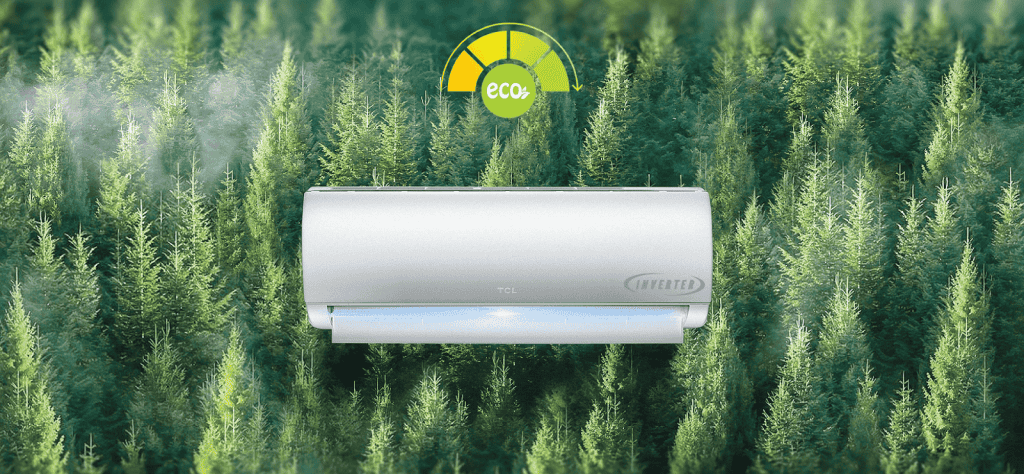
One of the biggest benefits of AI in green AC systems is continuous optimization.
AI algorithms analyze performance data and automatically adjust settings such as:
- Compressor speed
- Fan operation
- Cooling cycles
- Airflow direction
Unlike traditional systems that operate at full power until a target temperature is reached, AI-based systems modulate output gradually, saving energy and reducing wear.
This approach leads to:
- Lower electricity consumption
- Longer equipment lifespan
- Reduced carbon footprint
Eco-Friendly Refrigerants and Smart Control
Green AC technology also focuses on using refrigerants with lower environmental impact. AI enhances these systems by optimizing refrigerant use and preventing overwork.
Smart monitoring ensures refrigerant levels remain efficient, minimizing leaks and reducing greenhouse gas emissions. Combined with energy-efficient designs, this creates a more sustainable cooling solution overall.
Data Analytics for Smarter Energy Management
Advanced green AC systems collect performance data that users and facility managers can review.
Insights include:
- Peak energy usage times
- Efficiency trends
- Cooling patterns by room or zone
- Suggested energy-saving adjustments
This data-driven approach helps users make informed decisions and improve long-term sustainability strategies.
Challenges and Considerations
While AI and smart technology offer major advantages, there are factors to consider:
- Higher upfront installation costs
- Compatibility with older HVAC systems
- Need for stable internet connectivity for advanced features
- Learning curves for new users
However, long-term energy savings often offset initial costs, making smart green AC systems a worthwhile investment.
The Future of AI in Green Cooling
The next generation of green AC systems is expected to include even more advanced features, such as:
- Machine learning that adjusts to weather forecasts
- AI-based energy sharing across buildings
- Improved predictive maintenance
- Integration with renewable energy sources
As energy demands grow and sustainability becomes more important, AI-driven cooling solutions will likely become the industry standard.
Final Thoughts
AI and smart technology are reshaping how air conditioning systems operate. By using predictive analytics, automation, real-time monitoring, and adaptive learning, green AC systems can deliver efficient cooling while significantly reducing energy consumption.
For homeowners, businesses, and facility managers looking to lower costs and support sustainable practices, investing in AI-powered green air conditioning offers both immediate comfort and long-term environmental benefits.
As smart technology continues to evolve, the role of AI in advancing green AC systems will only become more important — helping create smarter, cleaner, and more energy-efficient spaces for the future.
