
Case Studies: Successful Implementations of Green AC Systems

Share

Table of Contents
Energy-efficient cooling is becoming a priority across the Philippines as rising electricity costs and climate concerns push businesses and homeowners toward greener solutions. Green AC systems—designed with inverter technology, smart controls, eco-friendly refrigerants, and solar integration—are proving that sustainability and performance can go hand in hand.
Below are real-world style case studies showing how different sectors successfully implemented green air-conditioning systems and achieved measurable savings.
Case Study 1: Commercial Office Building in Metro Manila
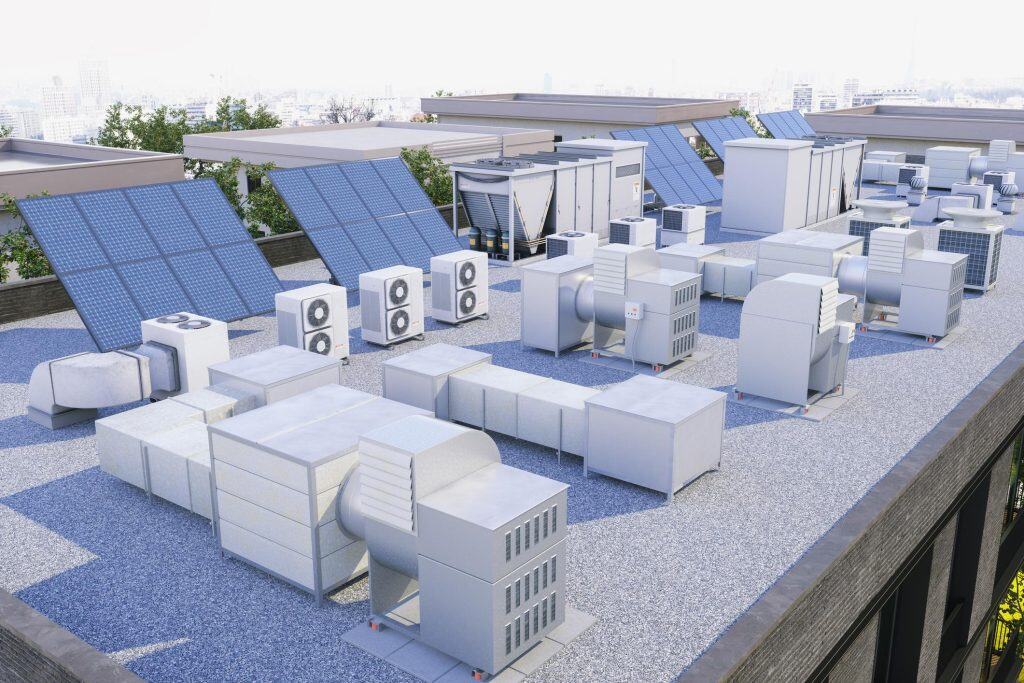
Challenge: A mid-sized office building faced high monthly electricity costs due to aging centralized cooling equipment running continuously during peak hours.
Solution: The building upgraded to a Variable Refrigerant Flow (VRF) green AC system integrated with smart thermostats and occupancy sensors. The system automatically adjusted cooling output depending on room usage and time of day.
Results:
- 32% reduction in monthly cooling energy consumption
- Improved indoor comfort through zone-based temperature control
- Lower maintenance costs due to inverter-driven compressors
- Increased tenant satisfaction and higher occupancy retention
Key takeaway: Smart automation combined with inverter-based systems significantly improves commercial energy efficiency while maintaining comfort.
Case Study 2: Resort in Cebu Using Solar-Assisted Cooling
Challenge: A beachfront resort struggled with fluctuating power costs due to heavy air-conditioning usage during peak tourist seasons.
Solution: Management installed solar panels connected to hybrid green AC units capable of operating partly on solar-generated electricity during daytime hours.
Results:
- 40% daytime energy cost savings
- Reduced dependence on grid electricity during peak load periods
- Enhanced eco-friendly branding that attracted environmentally conscious travelers
- Faster ROI due to government renewable-energy incentives
Key takeaway: Solar-assisted green AC systems are particularly effective for hospitality businesses with heavy daytime cooling demand.
Case Study 3: Residential Community Green Cooling Initiative
Challenge: A newly developed residential subdivision wanted to promote sustainable living while helping homeowners manage electricity expenses.
Solution: The developer partnered with appliance providers to offer inverter-based green AC systems bundled into home purchase packages, along with homeowner education on efficient cooling practices.
Results:
- Average household electricity savings of 25–30%
- Reduced overall community energy demand
- Higher property value due to built-in sustainability features
- Stronger marketing appeal for eco-conscious buyers
Key takeaway: Community-level green AC adoption creates large-scale energy savings while increasing long-term property value.
Why Green AC Systems Are Succeeding in the Philippines
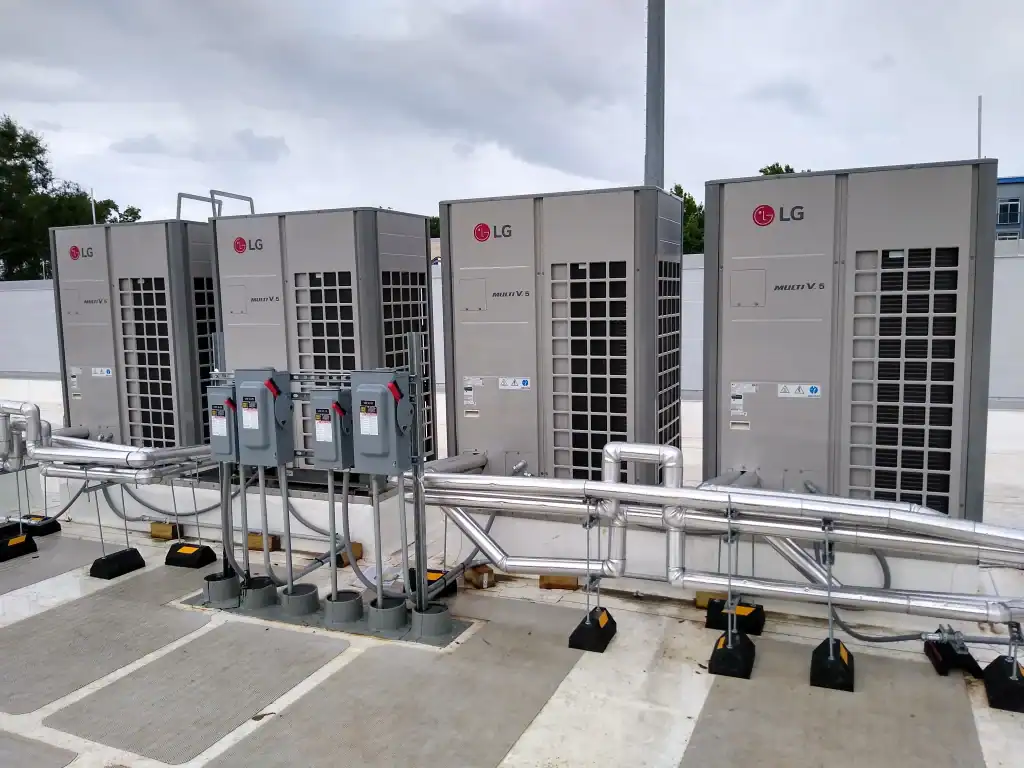
The success of these implementations shows a clear trend: green cooling technology is becoming both financially and environmentally beneficial. Several factors drive this growth:
- Rising electricity costs encouraging energy-efficient solutions
- Increasing availability of inverter and eco-friendly refrigerant systems
- Government sustainability initiatives and renewable energy incentives
- Greater awareness of environmental responsibility among consumers and businesses
As more organizations and households adopt green AC technologies, the Philippines is steadily moving toward smarter, cleaner, and more cost-efficient cooling systems.
Conclusion
Successful case studies across offices, resorts, and residential communities demonstrate that green AC systems deliver real-world benefits—lower operating costs, improved comfort, and reduced environmental impact. With continuous advancements in smart HVAC technology, solar integration, and energy-efficient design, adopting green cooling solutions is no longer a luxury but a practical investment for the future.
