
Exploring the Integration of Renewable Energy Sources with Modern AC Units

Share

Table of Contents
Rising electricity costs and growing environmental concerns are pushing households and businesses to look for smarter cooling solutions. For many homes in the Philippines and similar tropical climates, air conditioning accounts for a significant share of total energy consumption. Integrating renewable energy sources with modern air conditioning (AC) systems offers a practical way to reduce both power bills and carbon emissions while maintaining reliable cooling performance.
This article explores how renewable energy technologies—especially solar power—are being combined with modern AC units, the benefits of these systems, and what homeowners should consider before making the switch.
Why Renewable-Powered Cooling Is Becoming Essential
Hot climates demand year-round cooling, which increases electricity demand and strains power grids. Traditional AC systems rely entirely on grid electricity, often generated from fossil fuels. By pairing modern AC units with renewable energy systems, households can:
- Reduce electricity expenses over time
- Lower dependence on unstable grid supply
- Cut greenhouse gas emissions
- Improve long-term energy resilience during outages
With advances in inverter technology, energy-efficient compressors, and smart energy management systems, renewable-powered cooling is now more practical and affordable than ever.
Solar-Powered Air Conditioning Systems

Solar power is currently the most common renewable energy source integrated with AC units. Solar panels generate electricity during daylight hours, which can directly power air conditioners or charge battery storage systems for later use.
There are three main types of solar AC setups:
Direct Solar-Powered AC systems
These units operate primarily on electricity generated by solar panels during daytime hours, reducing reliance on the grid when sunlight is available.
Hybrid Solar AC Systems
Hybrid units automatically switch between solar power, batteries, and grid electricity depending on energy availability, ensuring uninterrupted cooling.
Solar-Assisted Conventional Systems
In this setup, solar panels supply electricity to the household, offsetting the overall power consumption of the AC system rather than powering it exclusively.
In tropical countries such as the Philippines, strong sunlight throughout the year makes solar integration particularly effective, allowing homeowners to maximize return on investment.
Inverter AC Technology and Renewable Energy Compatibility
Modern inverter air conditioners play a crucial role in renewable integration. Unlike traditional systems that frequently switch on and off, inverter units adjust compressor speed continuously based on cooling demand. This results in:
- Lower energy consumption
- More stable electricity draw
- Better compatibility with solar and battery systems
- Reduced wear and longer equipment lifespan
Because inverter AC units require less peak power during startup, they pair more efficiently with solar energy systems, allowing homeowners to install smaller solar arrays while still achieving significant savings.
Smart Energy Management and Battery Storage
Renewable integration is further enhanced by smart energy management systems that monitor electricity production, consumption, and storage. These systems can:
- Automatically prioritize solar energy use
- Store excess daytime energy in batteries
- Shift cooling schedules to peak solar production hours
- Provide backup cooling during outages
Battery storage is particularly useful in regions with occasional grid interruptions, ensuring continuous indoor comfort even when utility power is unavailable.
Financial and Environmental Benefits
Although installing solar panels or hybrid renewable systems involves upfront costs, long-term financial benefits are substantial:
- Reduced monthly electricity bills
- Protection from rising energy prices
- Potential property value increase
- Lower environmental impact
Government incentives, financing programs, and decreasing solar equipment costs are making renewable-powered cooling increasingly accessible to middle-income households across Southeast Asia.
Key Considerations Before Installing Renewable-Integrated AC Systems
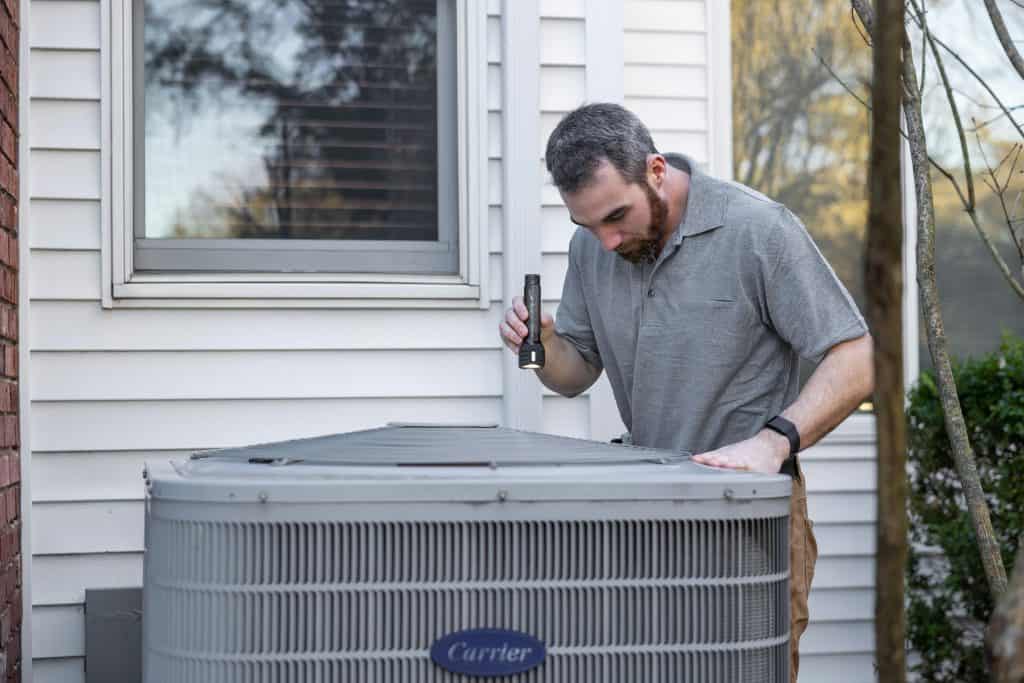
Before upgrading, homeowners should evaluate several factors:
- Roof space and sunlight availability for solar installation
- Household cooling requirements and AC capacity
- Battery storage needs for nighttime operation
- Local electricity rates and incentive programs
- Compatibility between inverter AC systems and renewable setups
Working with certified installers ensures proper system sizing and maximizes performance over the long term.
The Future of Renewable Cooling Technology
The integration of renewable energy with modern AC systems is expected to accelerate as technology improves and equipment costs continue to decline. Innovations such as AI-powered cooling optimization, ultra-efficient compressors, and next-generation battery systems will further enhance the reliability and affordability of renewable-powered air conditioning.
For households in warm climates, combining renewable energy sources with energy-efficient AC units is no longer just an environmental choice—it is becoming a practical and economically smart long-term investment.
