
The Future of Green AC Systems

Share

Table of Contents
Air conditioning is a basic necessity in the Philippines. With rising temperatures, long dry seasons, and growing energy costs, Filipinos rely heavily on cooling systems to stay comfortable. But traditional air conditioners consume a lot of electricity and use refrigerants that harm the environment. This is where green AC systems come in. They represent the future of cooling: cleaner, more efficient, and built for sustainability.
This guide explores what green AC technology looks like, how it works, and the innovations shaping the next generation of climate-friendly cooling.
What Are Green AC Systems?
Green AC systems are air conditioners designed to reduce electricity use, lower carbon emissions, and minimize environmental impact. These systems often use advanced refrigerants, energy-efficient components, and smart cooling technologies that adapt to real-time conditions.
Green cooling is becoming more important as the Philippines experiences hotter summers, higher humidity, and increased power consumption across homes, offices, and malls.
Why Are Green AC Systems Important in the Philippines?
The Philippines faces unique challenges that make eco-friendly cooling a priority:
• High energy prices leading to expensive monthly bills
• Frequent heat waves amplified by climate change
• Growing demand for air conditioning in homes and businesses
• The need to reduce carbon emissions while improving energy reliability
Green AC systems help Filipinos stay cool without harming the planet or overspending on electricity.
The Core Innovations Driving the Future of Green Cooling

1. Inverter Technology Becoming the Standard
Inverter ACs adjust compressor speed based on room temperature, making them far more efficient than traditional fixed-speed units. They cool faster, use less energy, and provide more stable room temperatures.
2. Eco-Friendly Refrigerants
Newer refrigerants like R-32 and R-290 offer:
- Lower global warming potential (GWP)
- Better cooling efficiency
- Reduced carbon emissions
More brands in the Philippines are transitioning to these refrigerants as global regulations tighten.
3. Solar-Powered Air Conditioning
Solar-ready AC units are gaining popularity in Philippine households with rooftop solar. These systems run directly on solar energy during the day, drastically reducing electricity costs.
This is a major step toward off-grid or low-grid cooling solutions.
4. Smart Cooling and AI-Driven AC Systems
Smart ACs use sensors and algorithms to automatically adjust cooling based on:
- Room occupancy
- Time of day
- Outdoor temperature
- Individual cooling preferences
These features improve comfort while minimizing energy waste.
5. Energy-Efficient Building Design
Future AC systems will integrate with better building materials, thermal insulation, and natural ventilation strategies. Many new condominiums and offices in Metro Manila are already using green building standards.
What Will AC Systems Look Like in the Next 10 Years?
Ultra-Efficient AC Units
Air conditioners in the next decade will rely on a combination of higher SEER ratings, heat pump technology, variable-speed compressors, and improved airflow designs. These upgrades will work together to make cooling systems far more efficient than current models. With better energy regulation, smarter components, and more advanced engineering, future AC units will consume significantly less electricity while delivering faster, more consistent cooling for Filipino homes and businesses.
Zero-Emission Cooling
With refrigerant regulations tightening worldwide, the industry is moving toward refrigerants with very low GWP, potentially reaching near-zero emissions.
Fully Off-Grid Cooling
Solar AC paired with battery storage will allow Filipino homes to run cooling units independently from the grid, even during brownouts.
AI-Integrated Cooling Networks
In large buildings, AC systems will communicate with sensors, weather data, and occupancy patterns to deliver cooling only when needed.
What Should Homeowners Consider Before Switching to Green AC?
- Size of the room and BTU requirement
- Budget for upfront costs
- Power consumption (wattage and EER/SEER ratings)
- Maintenance availability
- Compatibility with solar systems
- Brand reliability and after-sales service
Choosing the right unit ensures long-term savings and better environmental impact.
The Environmental Benefits of Future Green Cooling
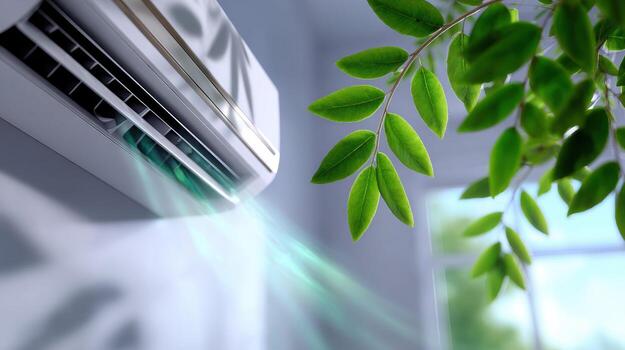
Green AC systems help reduce carbon emissions, improve indoor air quality, and lower overall power consumption throughout the Philippines. As more households and businesses upgrade to cleaner cooling options, the country moves closer to sustainable energy goals and climate resilience.
The Future of AC in the Philippines
The future of cooling in the Philippines is clear: environmentally friendly air conditioning will become the default choice. With new technologies, smarter systems, and cleaner energy sources, Filipinos can look forward to staying cool without damaging the environment or paying high energy bills.
Green AC systems represent the next era of comfort, sustainability, and energy-smart living.
Frequently Asked Questions
Do green AC systems cost more?
Yes, most energy-efficient and inverter-based units cost more upfront, but their lower electricity consumption leads to significant long-term savings.
Are eco-friendly refrigerants safe?
Refrigerants like R-32 and R-290 are classified as low-impact and more environmentally responsible. They also provide enhanced cooling efficiency.
Can green AC systems handle Philippine heat?
Yes. Newer models are designed specifically for tropical climates, providing stronger cooling performance even during peak summer months.
How much can homeowners save with green AC units?
Energy savings vary by model, but inverter ACs and eco-refrigerant units can reduce electricity consumption by up to 40 to 60 percent.
